Stop sacrificing your walkway. Learn the real dimensions to shop for slim-depth, low-profile sofas, consoles, media units, and tables—plus clearance targets ...
Decorating Awkward Alcoves and Empty Corners

Published · Last updated
In every home I have lived in, there has been at least one “what do I even do with this?” spot. In my tiniest studio it was a weird slice of wall between the closet and the window. In our current busy household, it is the corner that collects backpacks, dog leashes, and the mysterious soccer shin guard that never quite makes it back to the bin.
The good news is that awkward alcoves and empty corners are not design mistakes. They are opportunities. With a little measuring and a clear plan, you can turn a dead zone into a mini office, a cozy reading spot, or a storage workhorse that makes the whole room feel calmer.
Start with a 10-minute corner check
Before you buy anything, do a quick reality check. This is the step that saves money and prevents the dreaded “cute but useless” corner.
1) Measure the footprint and the usable depth
- Width: wall to wall across the alcove or corner.
- Depth: how far into the room you can go without blocking a walkway.
- Height: especially if you are adding shelves, hooks, or tall plants.
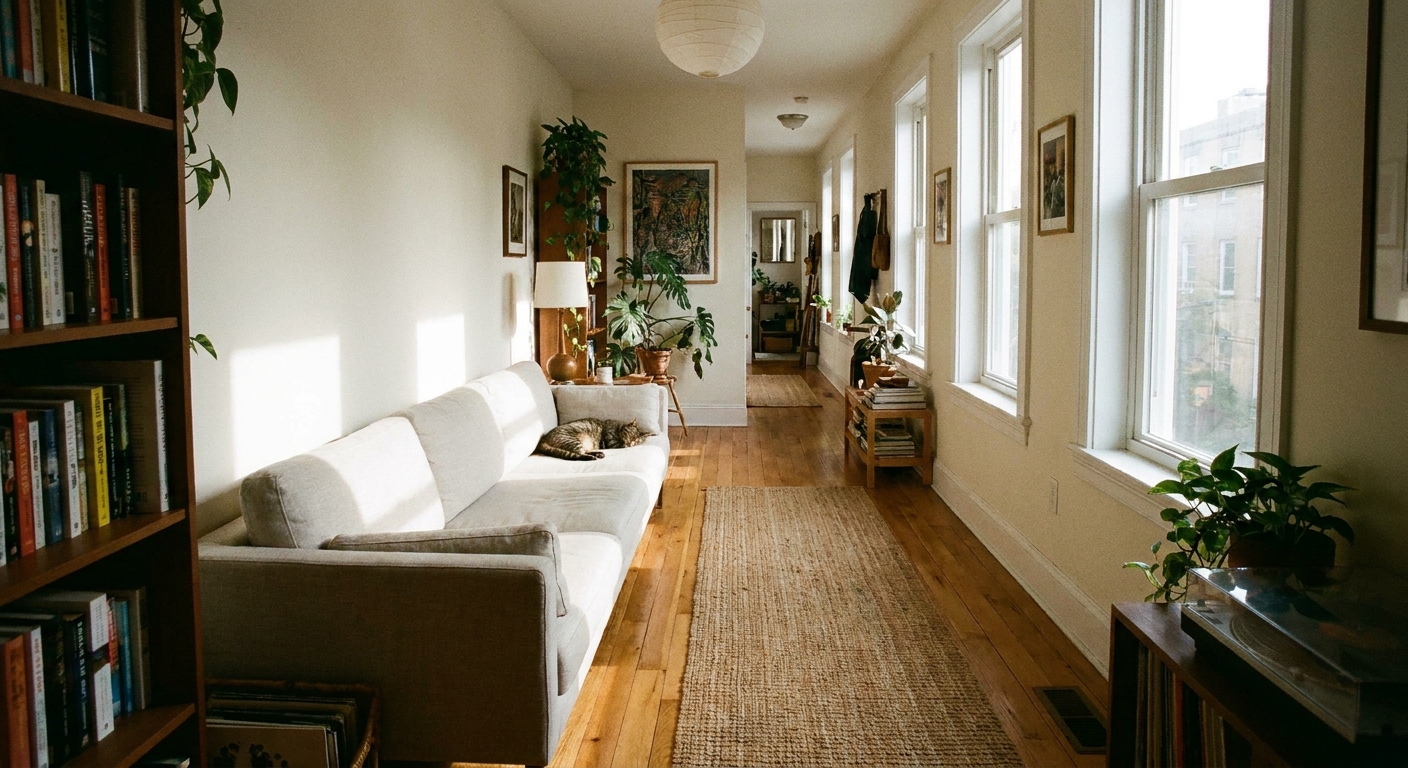
If the corner sits on a main walkway, keep depth shallow. A common comfort guideline is to leave about 30 to 36 inches of clear path where people pass through often. If you cannot spare that, go vertical with hooks, shelves, or lighting instead of adding a deeper piece.
2) Decide the job before the decor
Pick one primary purpose. Corners often get cluttered when they try to do three jobs at once.
- Need function: mini office, drop zone, toy corral, pet station.
- Need comfort: reading nook, conversation chair, soft lighting.
- Need visual balance: plant display, sculpture, floor lamp, tall basket.
3) Identify your “clutter magnet” habits
Be honest about what lands there now. If it is where laundry piles up, a dainty pedestal table will not fix it. A lidded basket or cabinet probably will.
Mini office ideas for alcoves and corners
A well-planned micro workspace is one of the best ways to use an awkward nook, especially in a home where the kitchen table is already doing overtime.
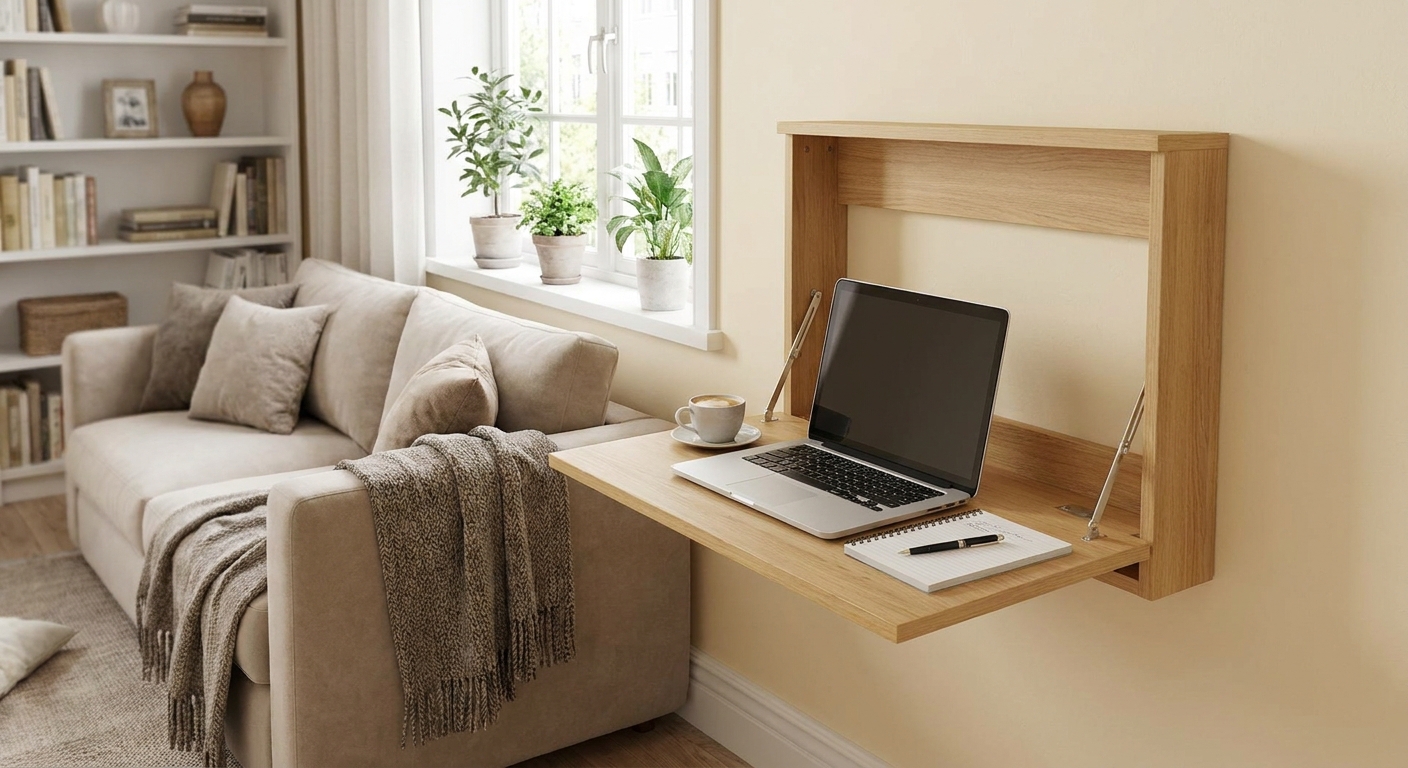
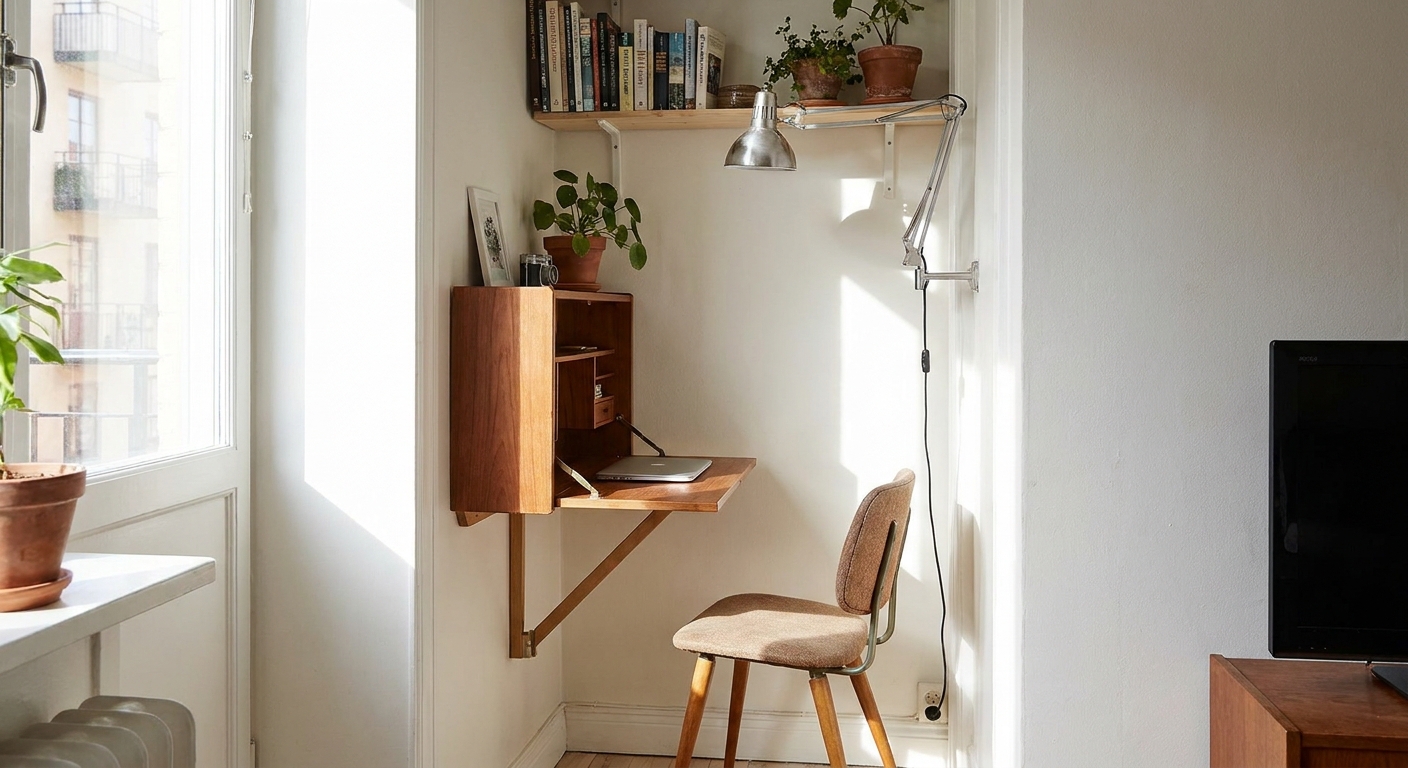
Option A: Floating desk for tight spaces
When depth is limited, a floating desk or wall-mounted surface can keep the floor visually open and usually makes vacuuming easier too, especially when cords are tamed.
- Use a slim chair or stool that can tuck fully underneath.
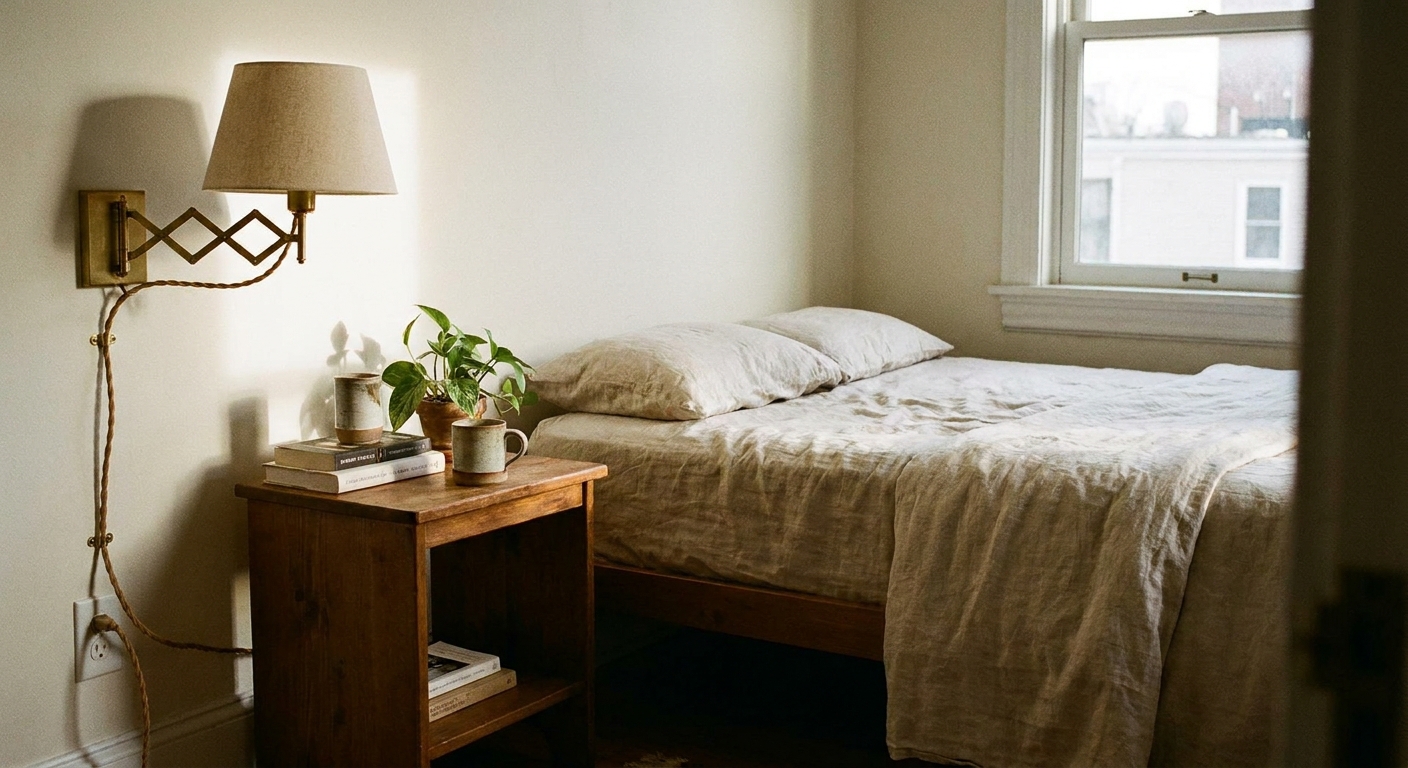
- Add a wall sconce or plug-in task light to free up desk space.
- Hide cords with adhesive clips along the back edge.
Quick safety note from a person who has patched too many tiny holes: mount wall pieces into studs when you can, use the right anchors when you cannot, and route cords so they are not tempting for kids or pets.
If you like the “light and airy” approach, you will probably also enjoy the strategies in Styling Floating Shelves Without Losing Floor Space.
Option B: Narrow console as a desk substitute
If you need a work surface but not a full computer setup, a narrow console table can be perfect for paying bills, sorting mail, or laptop work in short bursts.
- Choose something with one drawer or add a small tray to corral pens and chargers.
- Hang a small bulletin board above, or keep it simple with one framed print.
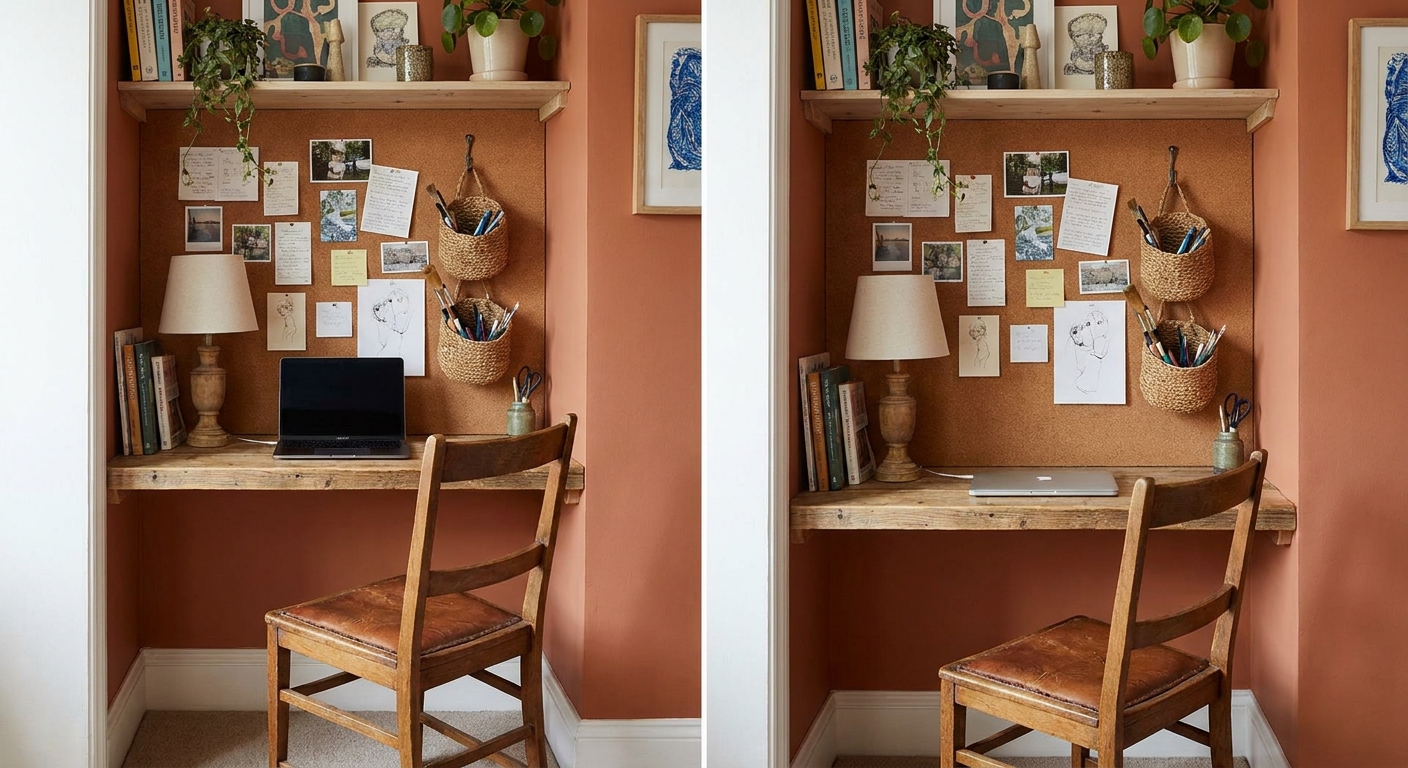
Option C: Closet-adjacent alcove workstation
Those odd gaps near closets are surprisingly useful for school paperwork and household admin.
- Put everyday supplies in one bin or basket so the surface stays clear.
- Use one shelf above for paper refills and rarely used items.
- Stick to one color family so the corner reads calm, not busy.
Cozy reading nooks that do not eat the room
A corner reading spot can be tiny and still feel special. The trick is to build comfort vertically and softly, not outward.
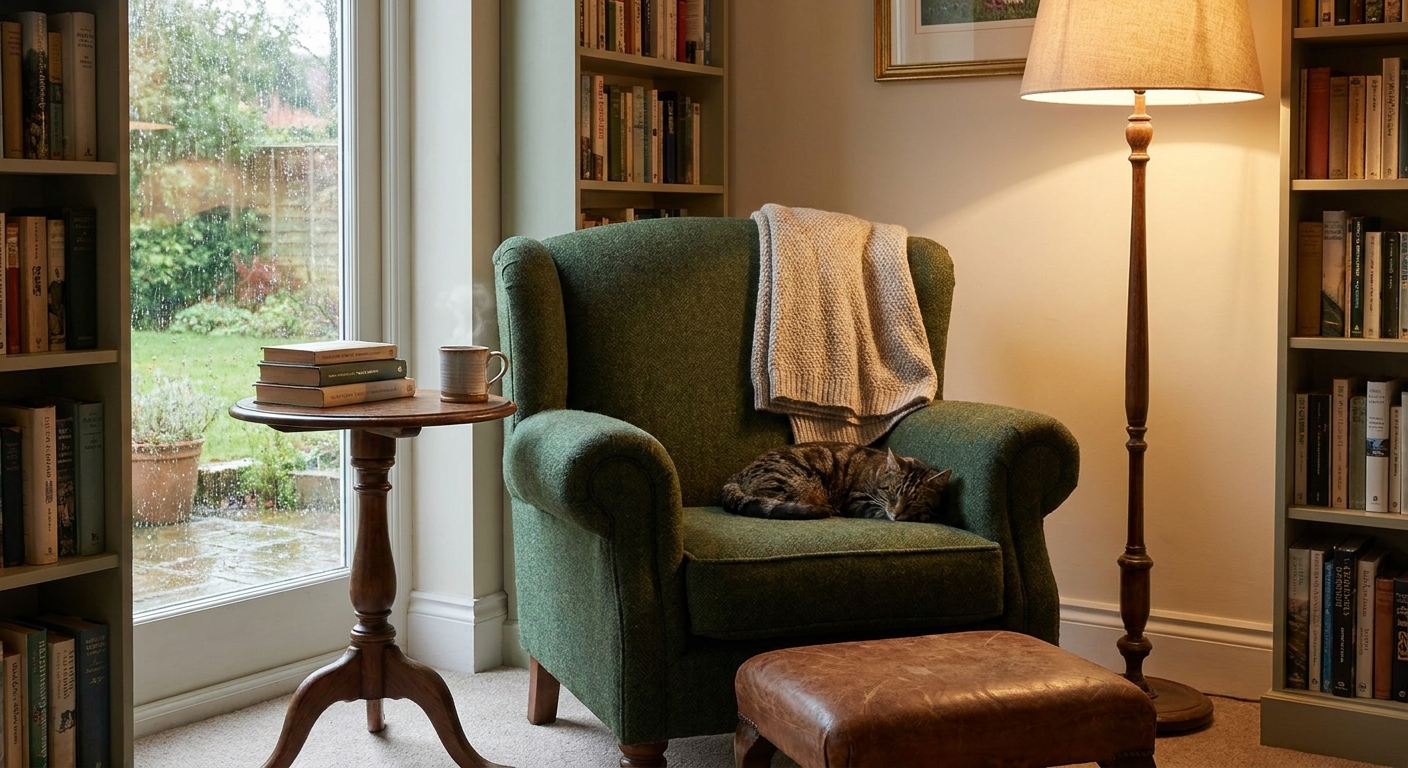
My simple reading nook formula
- Seat: one chair, floor cushion, or small loveseat if the corner is deep enough.
- Light: one floor lamp or wall sconce with warm bulbs.
- Softness: throw blanket plus one pillow that you actually like leaning on.
- Landing zone: small side table, stool, or even a sturdy basket for a book and a mug.
If the nook is in a small room, mirrors can help bounce light into the corner, especially when they face a window or another strong light source. I have a full guide on this in Best Mirror Placement for More Natural Light in Tiny Apartments.
Make it feel intentional with edge framing
Two easy ways to make a corner look designed on purpose:
- Use a small rug that defines the nook boundary.
- Add one piece of wall art or a picture ledge centered above the seat.
Plant displays that work in awkward corners
If you want a corner to feel alive and finished, plants are my favorite shortcut. They add height, texture, and softness without needing much furniture.
Pick the right plant setup for the light you have
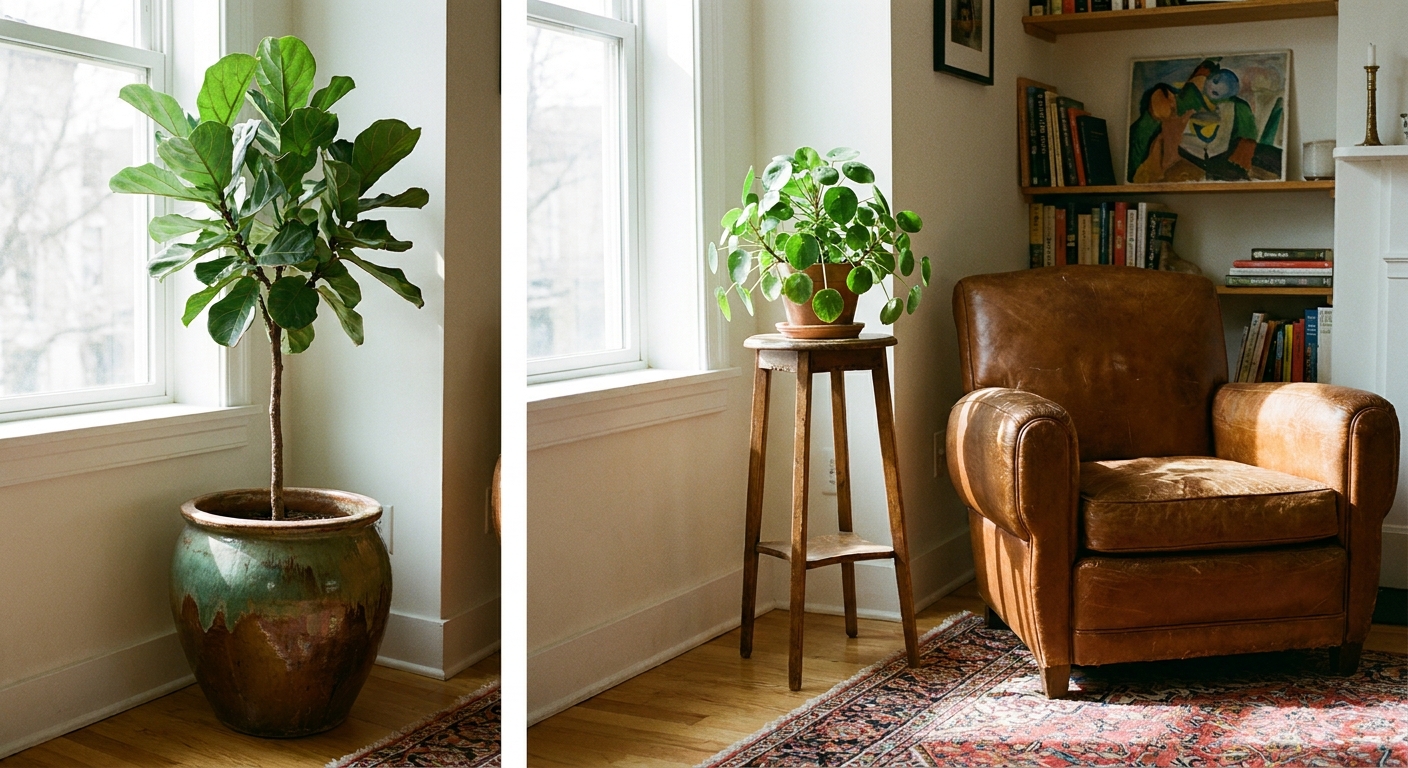
- Bright light: a tall floor plant in a simple pot can fill vertical space instantly.
- Medium light: group two plants at different heights, like one on a stand and one on the floor.
- Low light: choose a truly low-light-tolerant plant (snake plant, ZZ plant, pothos) or go with a high quality faux plant if you are tired of guilt-watering. Most “low light” corners indoors are still dimmer than they look in daytime.
Use odd corners for propagation or a green shelf
A narrow corner shelf or a small stand can hold a few plants without turning into a jungle takeover. Keep it to a limited palette of pots so it looks cohesive.
Tip from my own trial and error: if the corner is near a vent, your plant might struggle. Try shifting the pot a few inches away from direct airflow before you give up on the idea. Same goes for baseboard heaters or radiators. Heat can crisp leaves fast, so give plants a little breathing room.
Storage-first corners that still look nice
Sometimes the most beautiful thing you can do with an awkward corner is make it carry its weight. Storage can be pretty when it is contained and consistent.
Use a tall lidded basket for fast resets
This is my favorite for family life: a tall lidded basket in a corner can swallow throw blankets, stuffed animals, or random gear. The lid is what keeps it from looking messy.
Try a one shelf, one basket rule
If you add shelves, avoid open-ended stacking. Assign a basket to each shelf so the corner stays easy to maintain.
If you enjoy simple DIY storage, our step-by-step tutorial DIY Fabric Storage Basket for Shelf Clutter is a great project for turning small loose items into something that looks intentional.
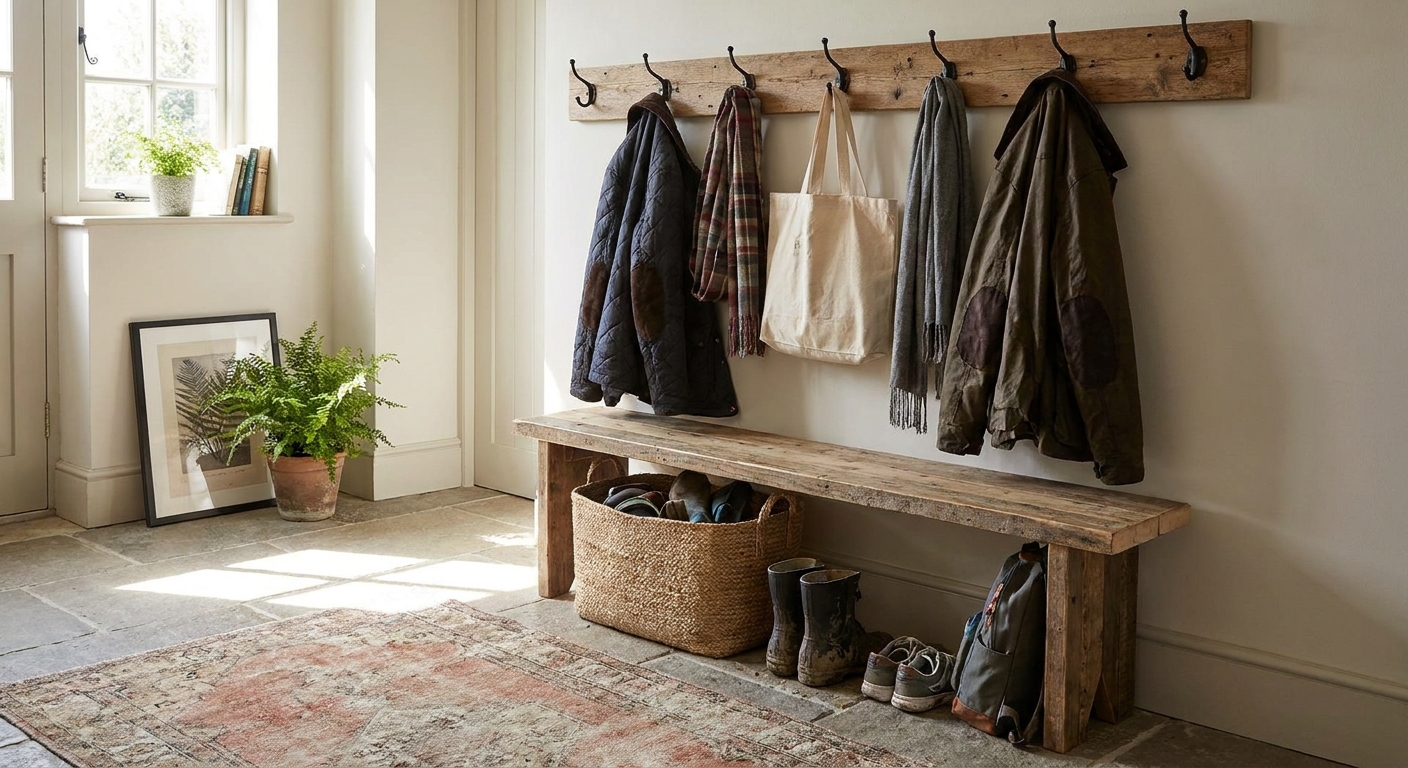
Create a drop zone corner near the front door
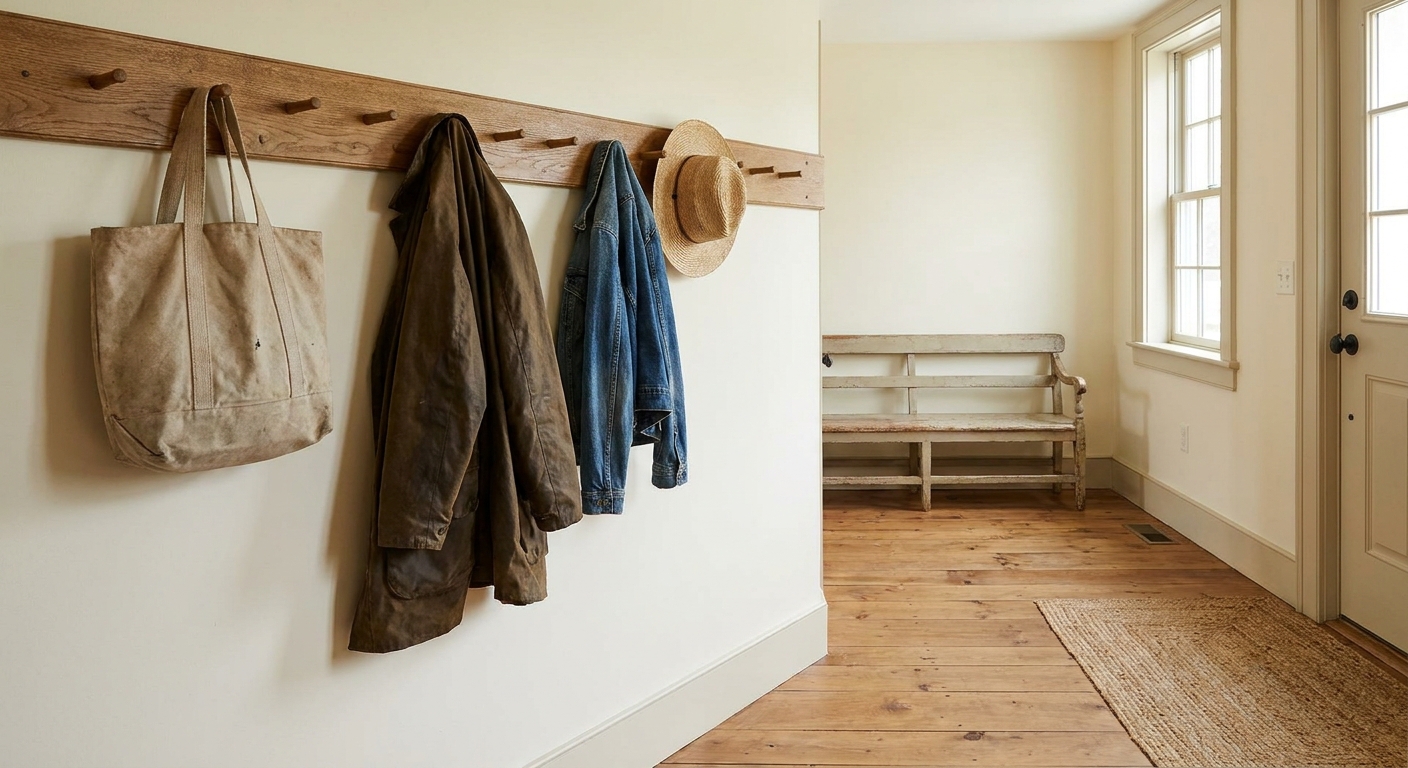
If your empty corner is near the entry, give it a job as a landing zone for keys, bags, and shoes. I rely on a consistent entry system to keep the daily chaos from spreading. This pairs well with How to Plan a Small Entryway Drop Zone.
Decorating tricks that make corners feel finished
Once the corner has a purpose, decorating is about scale and balance. These are the moves that keep an awkward nook from looking like an afterthought.
Go taller than you think
Many corners look empty because everything sits at knee height. Add height with:
- a tall plant
- a floor lamp
- a vertical piece of art
- stacked baskets or a slim bookcase
Use an anchor piece
A corner usually looks best with one main element that reads from across the room, plus one small supporting item. Beyond that, it tends to slide into clutter.
Repeat something from the room
To make the corner feel like it belongs, repeat one element already in the space, like wood tone, metal finish, or a color from your rug.
Light the corner on purpose
Dark corners feel unused even when they are styled. A single warm lamp can make the whole room feel more inviting.
No outlet nearby? I have been there. A rechargeable table lamp, a plug-in sconce with a tidy cord cover, or battery puck lights on a shelf can all help without running an extension cord across a walkway.
If your room is small, pairing light with the right paint color can help too. I share my favorite shades and why they work in Paint Colors That Make a Small Room Look Bigger.
Real-life corner layouts
Here are a few plug-and-play setups that work in many homes. Adjust the scale based on your measurements.
1) The paperwork corner (3 feet wide or less)
- narrow console or floating desk
- small stool that tucks in
- one basket for supplies
- one wall hook for a bag or headphones
2) The cozy corner (deep enough for a chair)
- one comfortable chair
- floor lamp behind or beside it
- small side table or stool
- one throw and one pillow
3) The green corner (any size, any room)
- one tall plant on the floor
- optional second plant on a stand
- simple tray or plant saucer that matches your decor
4) The clutter catcher (family homes)
- lidded basket or storage ottoman
- one framed print above to make it feel intentional
- optional hook strip if it is near the entry
Common corner problems (and fixes that help)
The corner keeps becoming a dumping ground
- Fix: add a container with a lid, not an open bin.
- Fix: make the surface smaller. Less surface area usually means less “drop space.”
The corner looks cramped after I add furniture
- Fix: swap to a piece with legs so you can see floor underneath.
- Fix: choose one tall vertical element instead of two medium ones.
The alcove feels too shallow for anything useful
- Fix: think wall-mounted. Hooks, a picture ledge, or a tiny fold-down desk can still give the nook a job.
- Fix: use it as a charging station with a slim shelf and a basket for cords.
The corner is next to a door swing or walkway
- Fix: keep depth shallow and go vertical with shelves or wall hooks.
- Fix: choose rounded edges if people brush past it.
A gentle rule I live by
If a corner is making you feel bad every time you walk by, it is not a personal failure. It just needs a clear assignment and a simple reset plan. When I am stuck, I ask myself: “What do I want this corner to prevent?” Maybe it is paper clutter on the counter. Maybe it is backpacks on the floor. Give the corner that job, keep the setup realistic, and you will feel the difference fast.
For more room-by-room decorating ideas that work in real life, you can browse the Home Decor guide.