Make small rooms feel taller and calmer with floating shelves. Learn where to hang them, install them securely, and style with negative space, balanced group...
Wall Sconces vs. Floor Lamps for Small Rooms

Published · Last updated
In my tiniest studio apartment, I used to play a nightly game called “don’t trip over the lamp.” The corner floor lamp looked fine in photos, but in real life it stole the only clear path between the bed and the kitchen. The moment I switched to a simple plug-in wall sconce, the room felt like it exhaled.
If you are trying to make a tight room feel calmer and easier to live in, lighting is one of the sneakiest ways to win back space. Let’s compare plug-in wall sconces and traditional floor lamps through the lens of what matters most in small homes: square footage, function, and flexibility.
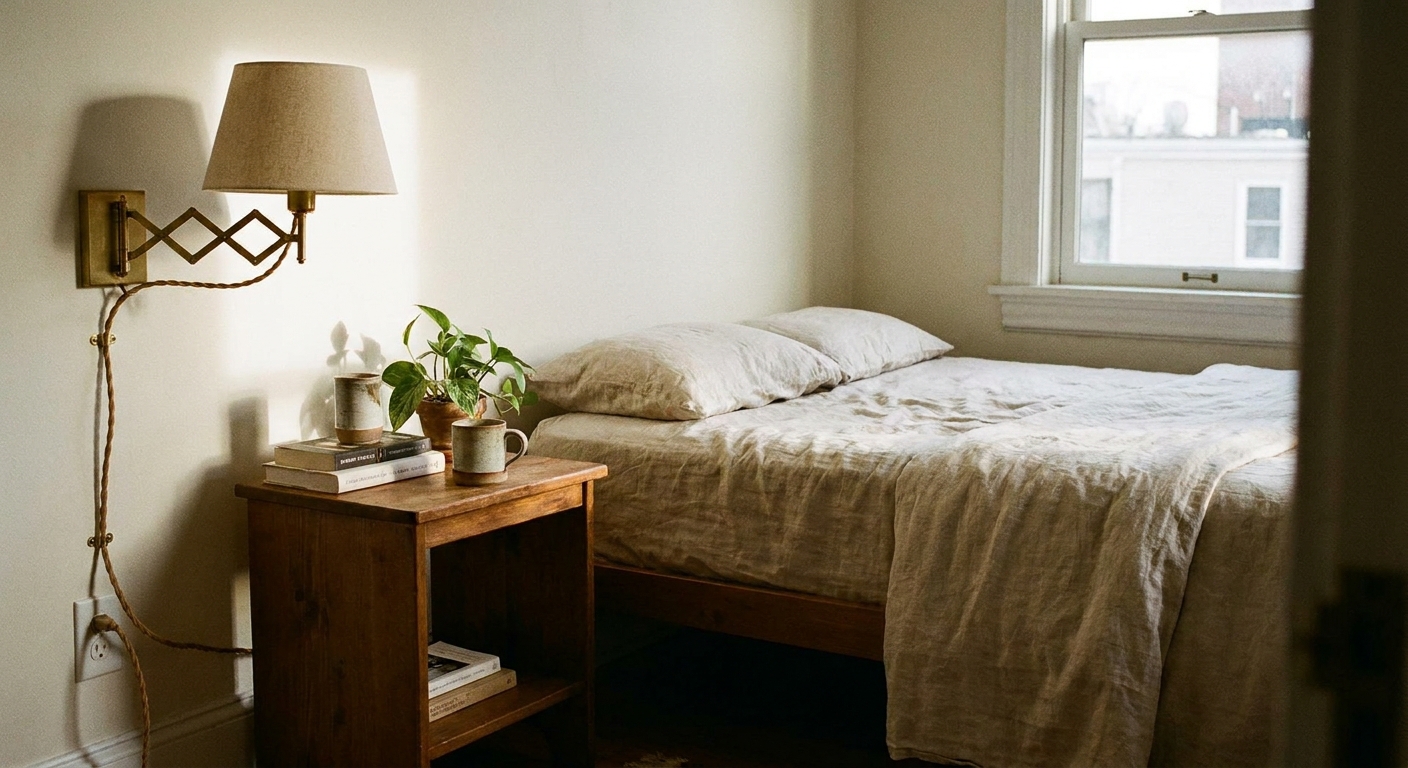
The real question: where does the light live?
Both options can give you warm, useful light. The difference is where the fixture takes up physical space.
- Floor lamp: the light lives on the floor and rises up into your visual field. It requires a base footprint, which can be compact or surprisingly wide depending on the design.
- Plug-in wall sconce: the light lives on the wall. Your floor stays open, which helps walking paths, furniture placement, and cleaning.
In small rooms, that footprint matters. If a lamp base blocks a drawer, pinches a walkway, or prevents a chair from sliding in, it is costing you more than inches. It is costing you ease.
Wall sconces: biggest floor-space win
Why plug-in sconces work so well in tight rooms
- Zero floor footprint: you get light without sacrificing the corner where you could put a hamper, basket, or plant.
- More usable surfaces: when the light is on the wall, your nightstand or console can stay clear for daily essentials.
- They can make rooms feel wider: pulling lighting up onto the wall often reduces that “stuff at ankle level” feeling, which helps a small room feel less busy.
Where plug-in sconces shine
- Beside the bed: especially if your nightstand is narrow or you are using a floating shelf.
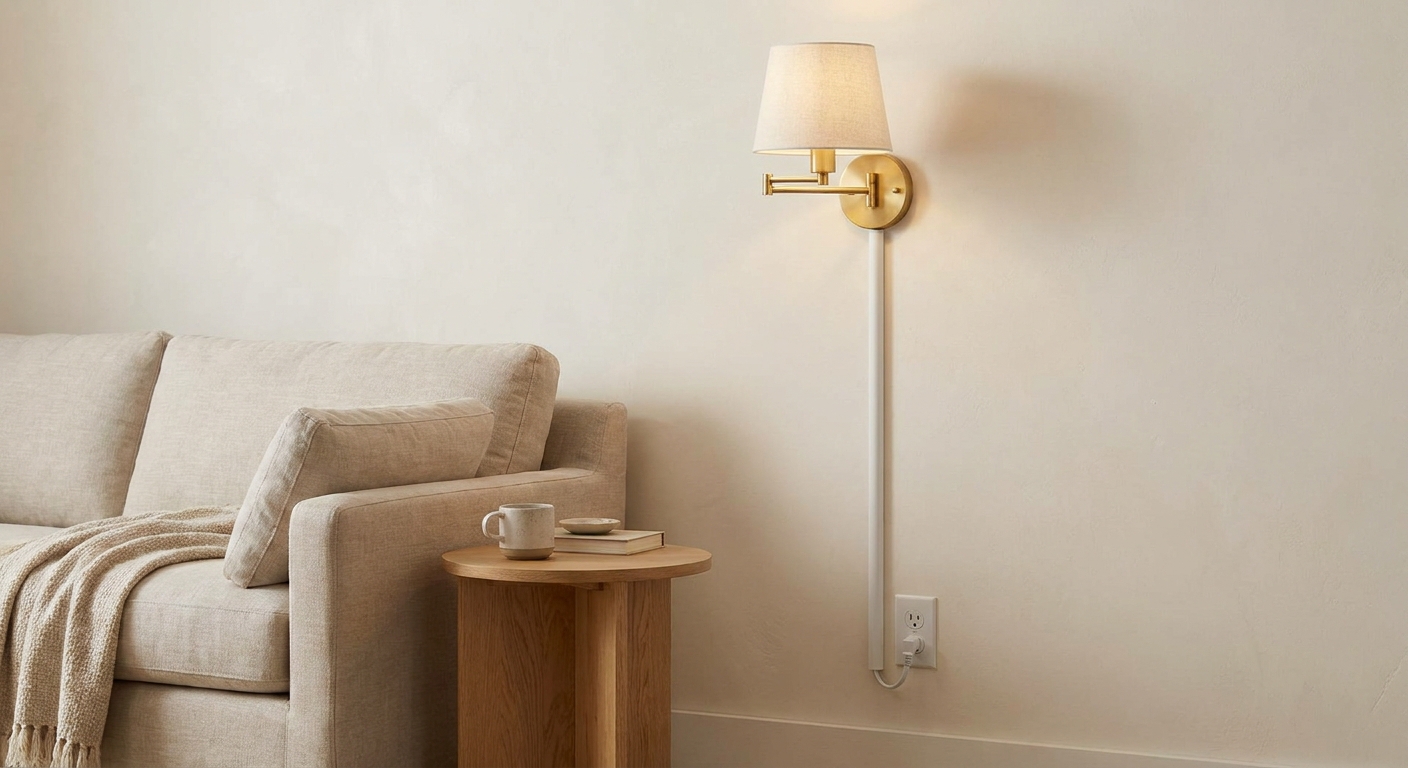
- Over a small sofa: when there is no room for an end table plus a lamp.
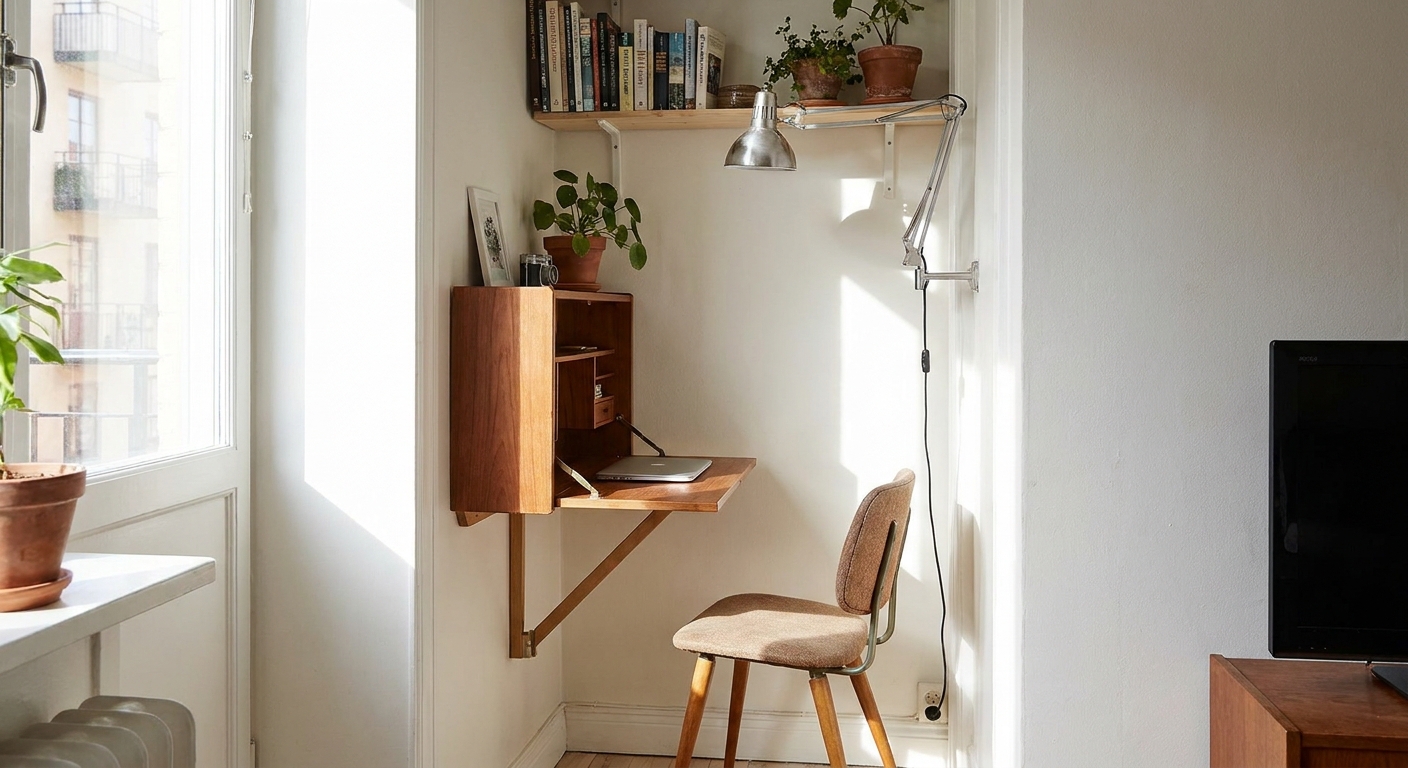
- In awkward corners: where a floor lamp base would bump into something. If you are working with a strange nook, I have a whole approach to that in decorating awkward alcoves and empty corners.
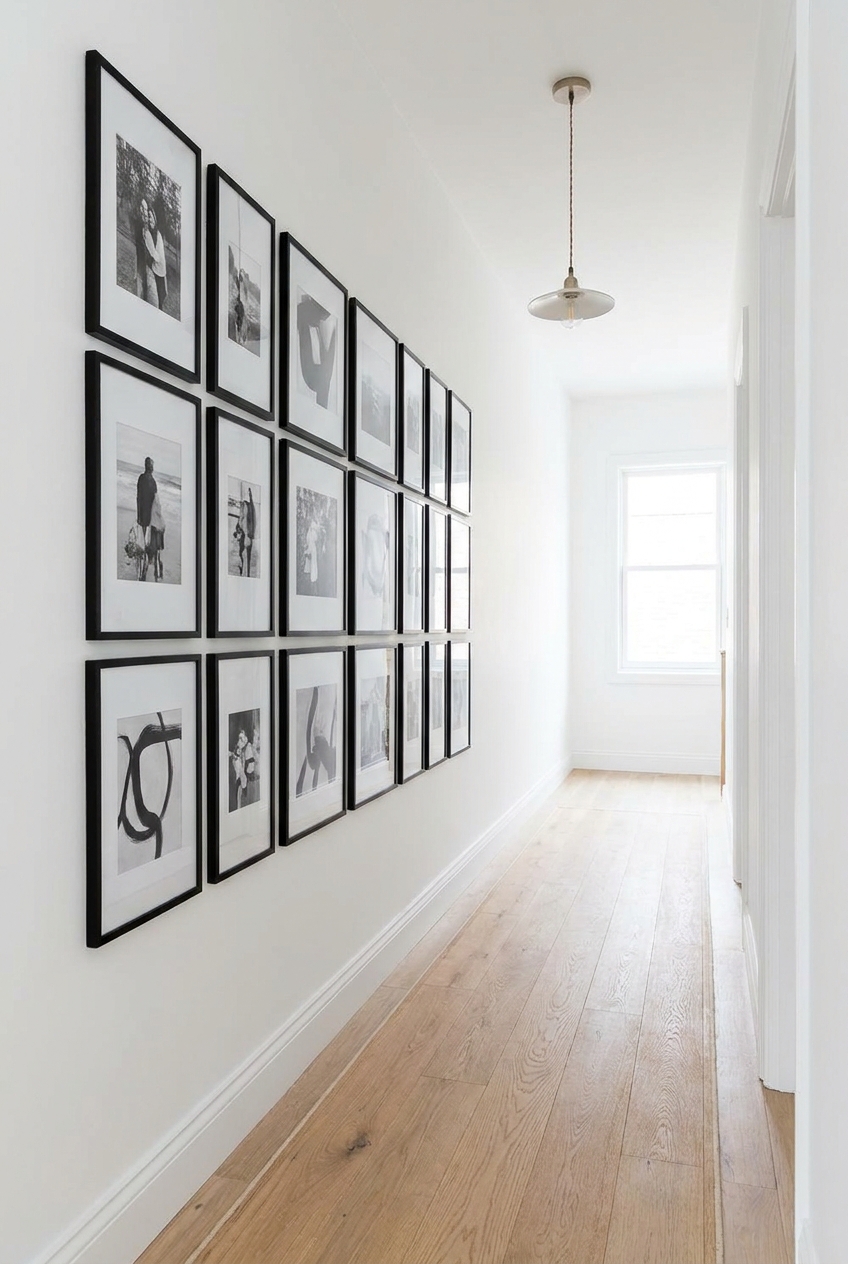
- In a narrow hallway: wall-mounted light is one of the easiest ways to keep a hallway feeling open, especially if you are also adding art like in a minimalist gallery wall for a narrow hallway.
Placement: a simple height rule of thumb
For bedside reading, I like to start with one practical guideline and adjust from there:
- Aim for the center of the light around 50 to 60 inches from the floor, or roughly 6 to 12 inches above your shoulder when you are sitting up in bed.
The goal is to land light on your book, not in your eyes. If you share the bed, this also helps keep light more contained on your side.
Switch access: the detail people forget
Plug-in sconces can be annoying if the switch is on the fixture and you have to reach up and fumble for it. If that sounds like your life, look for:
- An inline cord switch you can reach from bed or the sofa
- A pull chain if your sconce is mounted slightly higher
- A smart plug if you want easy control without rewiring
Cord management and safety
This is the make-or-break part. A visible cord reads like clutter, and a badly routed cord becomes a daily hazard.
- Route cords straight down behind furniture so the line is clean.
- Use paintable cord covers (sometimes called raceways) if the cord crosses open wall space.
- Avoid running cords under rugs or across doorways where they can wear, snag, or trip you.
- Do not overload outlets, and keep cords and shades away from bedding and drapes.
- If you need hardwiring (or you are unsure about electrical work), hire a licensed electrician.
When wall sconces are not the best choice
- If you cannot put holes in the wall and adhesive options are not allowed or not reliable.
- If you rearrange furniture constantly and want light that can move with you.
- If you need broad, room-filling light and the sconce is too directional on its own.
Floor lamps: flexible, but they take up room
I still like a good floor lamp. They are often the easiest fix when you move into a new place and realize the overhead light is harsh or nonexistent. But in small rooms, you want to be honest about what you are giving up to keep one.
What floor lamps do well
- Instant placement: no drilling, no measuring, no patching later.
- Easy to move: great for multipurpose rooms or if you like changing layouts.
- Can add ambient light: especially with an upward-facing shade that bounces light off the ceiling.
Where floor lamps make the most sense in a small space
- Behind a chair: if the base can tuck under or behind furniture without blocking movement.
- Next to a sofa with no nearby wall: when a sconce location is not practical.
- Rental situations: when you want a no-holes solution.
Small-space floor lamp rules I stick to
- Pick a stable base: weighted is great. Just watch for bases that sprawl into a walkway.
- Go slim when you can: arc lamps can be gorgeous, but the reach often eats into a room’s usable “air.” A straight pole is usually kinder to tight layouts.
- Check what it blocks: drawers, doors, vents, and that one cabinet you open twenty times a day.
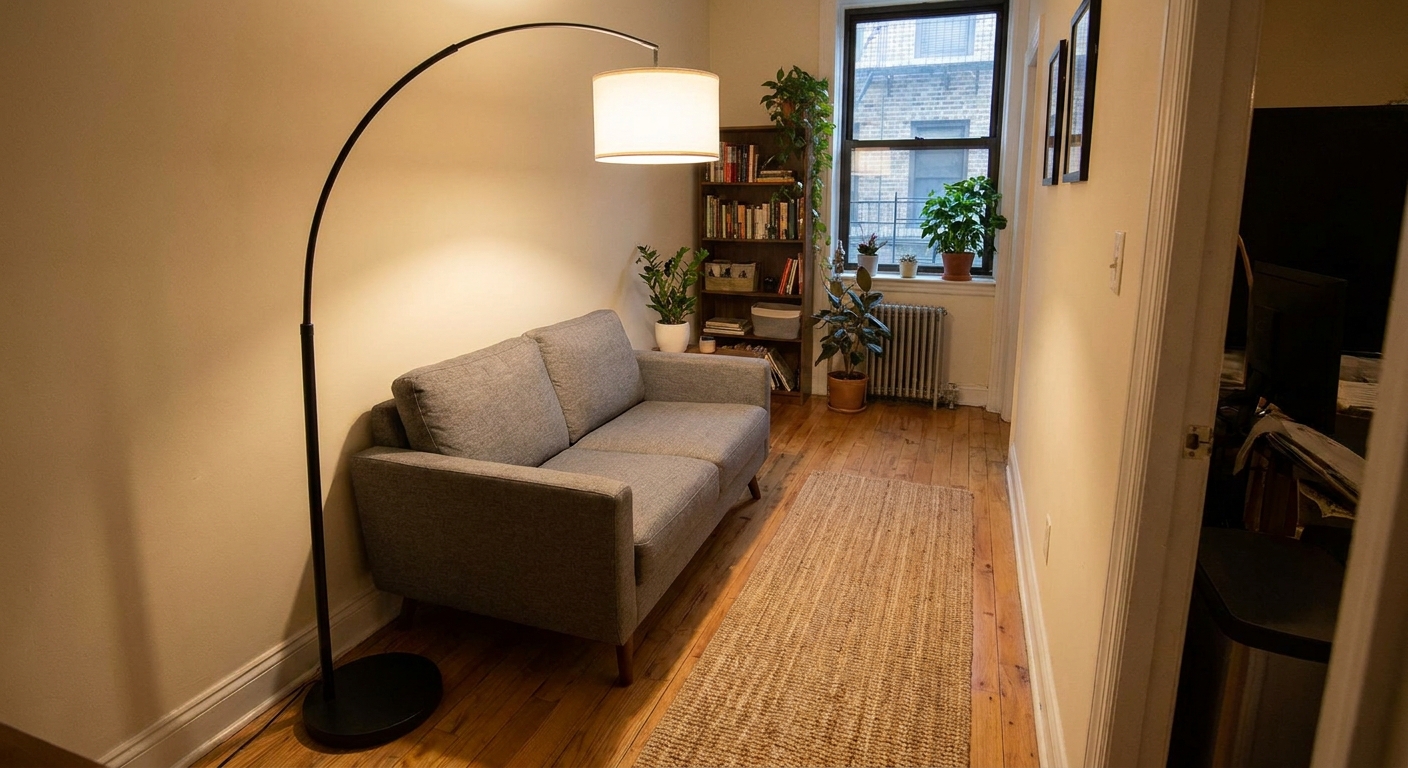
If the lamp is constantly being nudged, stepped around, or moved to vacuum, that is a clue it may be the wrong type of light for that spot.
Quick comparison
| Need | Plug-in wall sconce | Floor lamp |
|---|---|---|
| Save floor space | Best choice | Usually loses |
| No drilling | Sometimes (depends on mount) | Best choice |
| Reading light by bed or chair | Excellent if placed correctly | Good, but can cast shadows if poorly positioned |
| Rearrange often | Less flexible | Most flexible |
| Clean, minimal look | Very clean when cord is managed | Can look busy if the base crowds the corner |
My favorite small-room setups
1) Bedside: plug-in sconces + tiny nightstands
This is the combo that changed my sleep setup in my apartment years ago. Once the lamp was off the nightstand, I could actually keep a book, a glass of water, and my phone without stacking them like a game of Jenga.
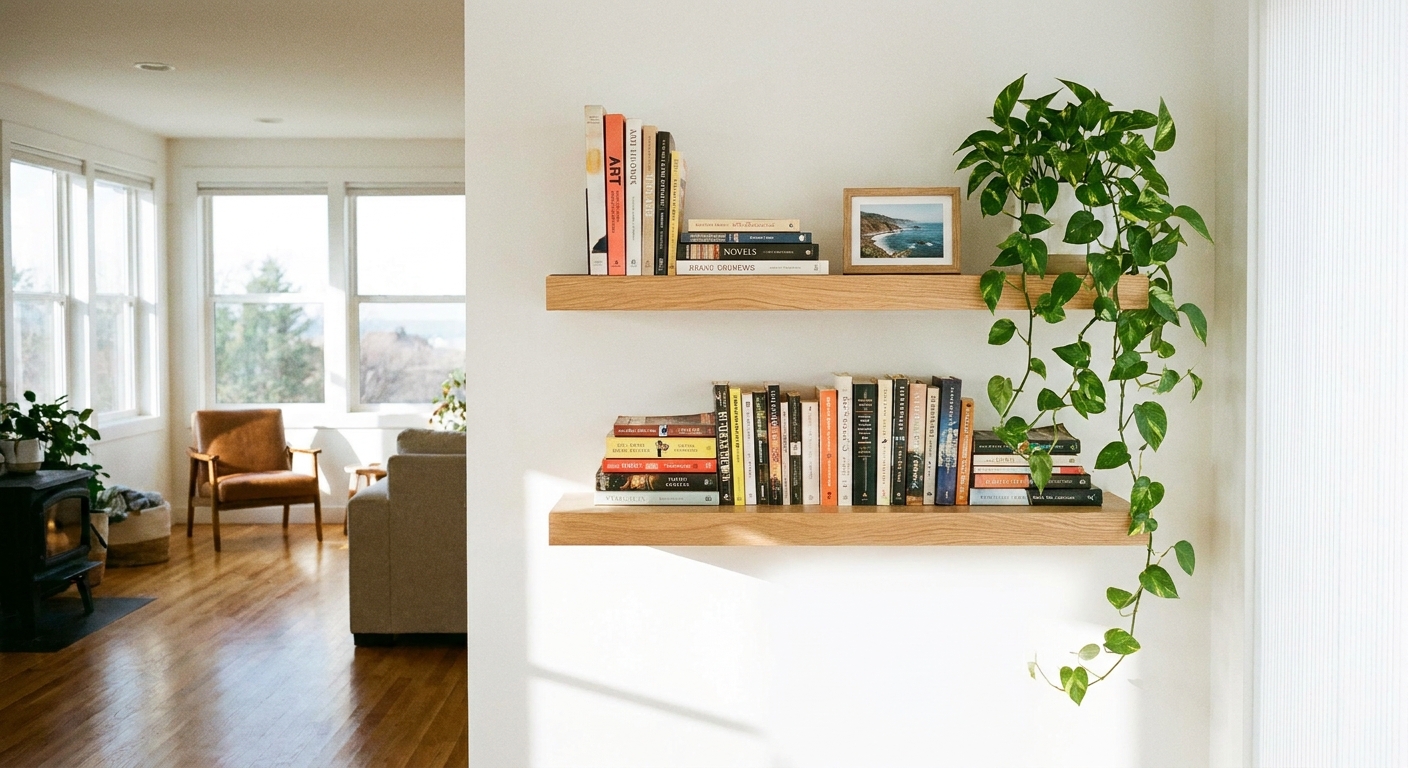
If your nightstand is more like a ledge than a table, pair this with wall-mounted storage. Floating shelves can help a lot here, and I shared my styling rules in styling floating shelves without losing floor space.
2) Living room: one floor lamp, but only if it earns its spot
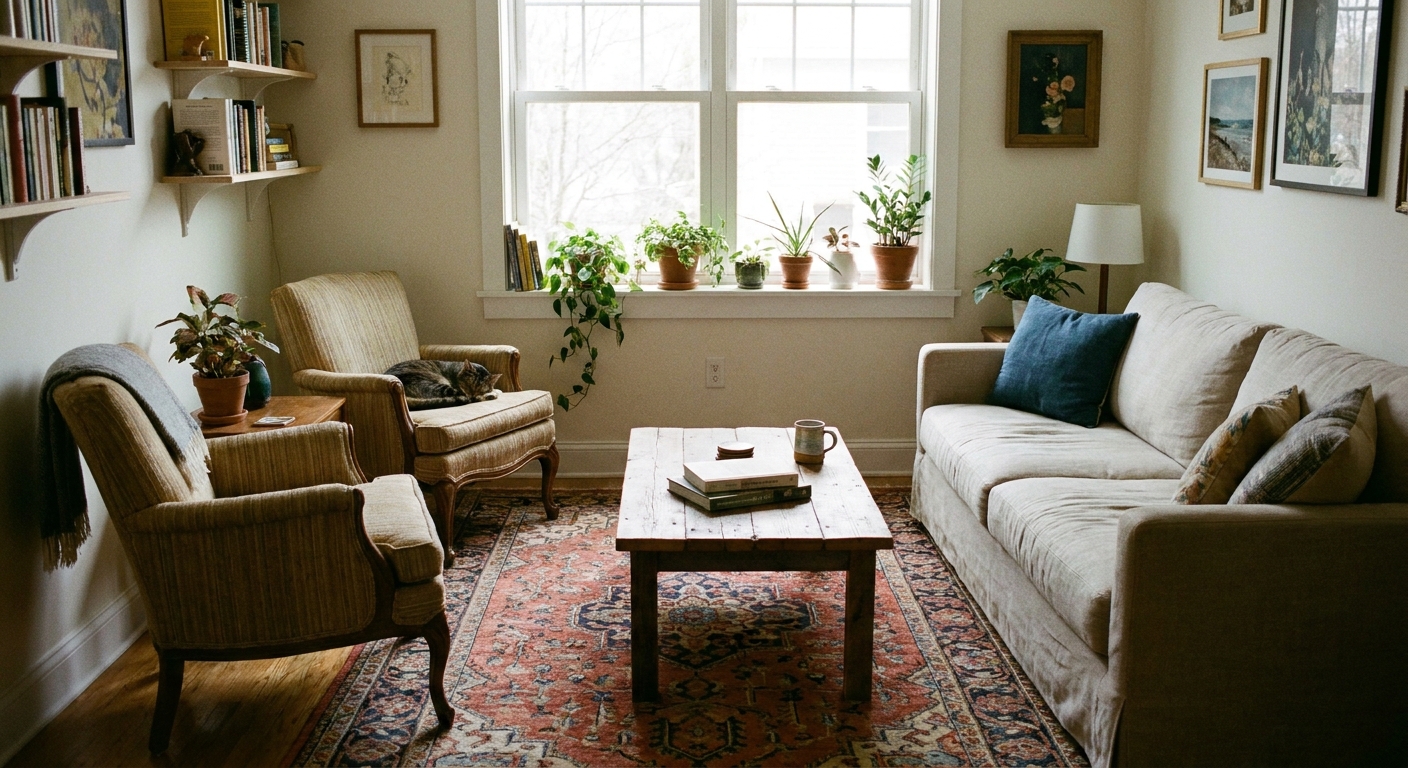
If you need a floor lamp, tuck it where it does not interrupt circulation. In small living rooms, I prioritize open pathways first, then lighting. It is the same logic I use when choosing rug sizes and placements: keep the room readable and easy to move through. If that is a struggle for you, these area rug rules for small living rooms help clarify what is crowding the layout.
3) Entryway: wall light so your drop zone stays functional
Entryways collect clutter fast, especially in a busy household. A wall sconce keeps the console top clear and makes it easier to set up a simple landing pad. If you are building that system, plan a small entryway drop zone is my go-to starting point.
Tips that make lighting feel intentional
- Light the task first: reading, getting dressed, working, putting on shoes. Looks come after function.
- Aim for layers: even in a small room, combining a task light with softer ambient light often feels calmer than relying on one bright overhead fixture.
- Use light to soften edges: bouncing light off a pale wall can help a room feel more open. If you are also painting, you may like paint colors that make a small room look bigger.
Bulb basics (so the advice actually works)
- For reading: aim for a bulb in the 450 to 800 lumen range in your bedside or chair light, depending on how direct the shade is and how sensitive your eyes are.
- For a cozy feel: try 2700K to 3000K (warm white). Neutral can be nice for work areas, but very cool bulbs can feel harsh in a small room.
- Dimming helps: a dimmable bulb (and compatible dimmer or smart control) makes one fixture do double duty.
FAQs
Are plug-in wall sconces renter-friendly?
Often, yes. Many plug-in sconces mount with a simple bracket and a couple of small holes, similar to hanging a heavy picture frame. If your rental is strict, a floor lamp may be the safest option.
Do wall sconces give enough light to replace a floor lamp?
It depends on the bulb brightness and the shade direction. For reading, a directional sconce can be better than a floor lamp. For filling a whole room with soft light, a floor lamp with an upward shade can do more. In small rooms, I usually prefer a sconce for task lighting and another small light source elsewhere for balance.
What if I have no outlets where I need the sconce?
If the nearest outlet forces a cord to cross a doorway or walkway, that is a safety issue and a daily annoyance. In that case, a floor lamp tucked safely to a corner is usually the better choice.
The bottom line
If your goal is to save floor space and make a tight room feel less cramped, plug-in wall sconces are the clear winner. They lift light off the floor, free up precious corners, and can make your space feel calmer with fewer obstacles.
Floor lamps still have a place, especially when you need flexibility or cannot drill. But in small rooms, I like them best when they are chosen carefully, placed thoughtfully, and never allowed to block the way you actually live.
If you want more small-space wins like this, I keep my best strategies gathered in our small spaces guide.